Why driverless cars have to prove themselves one road at a time
Waymo’s robotaxis are in far fewer injury crashes than human drivers on city streets. A California freeway ban shows each new kind of road is a separate test.

Summary
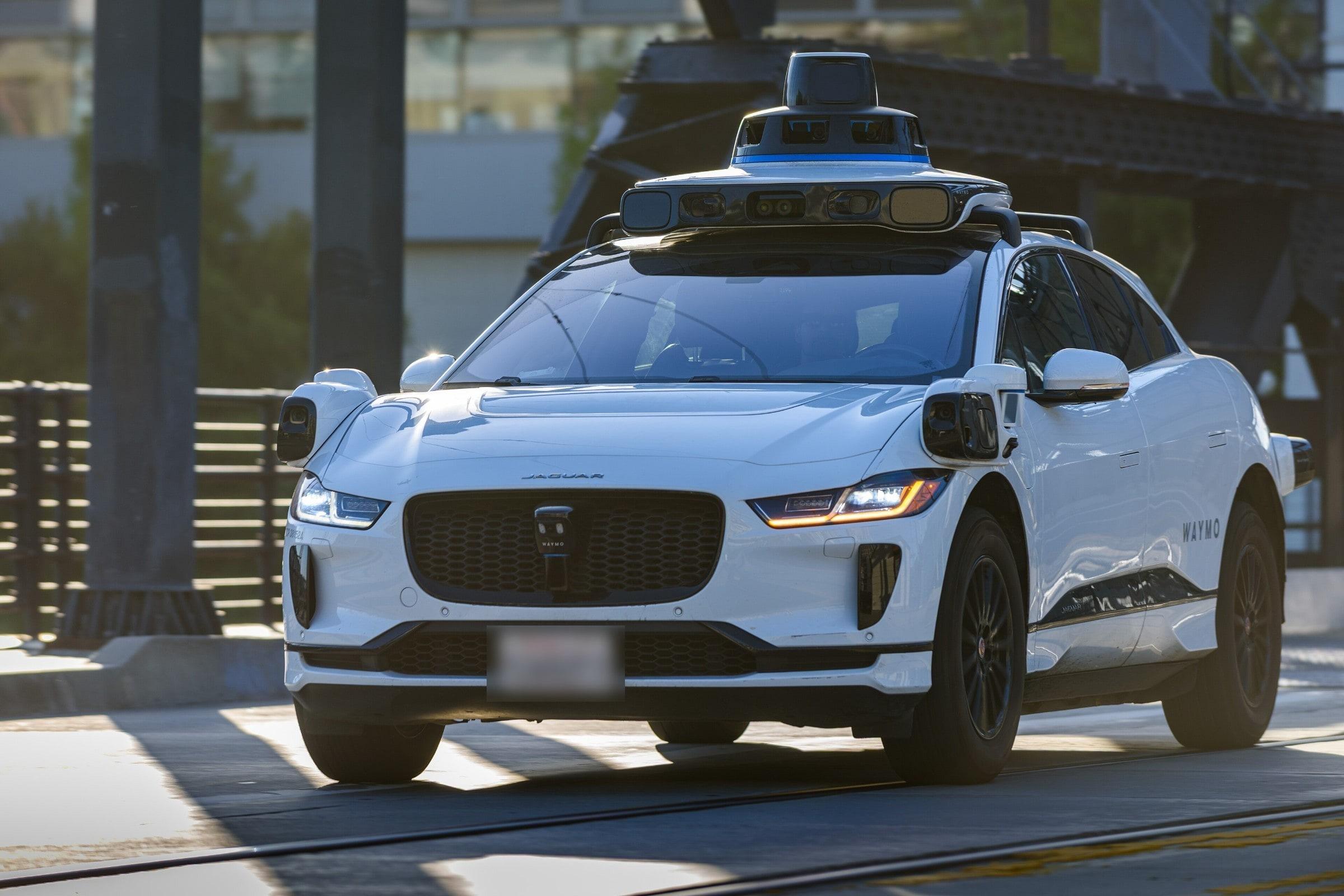
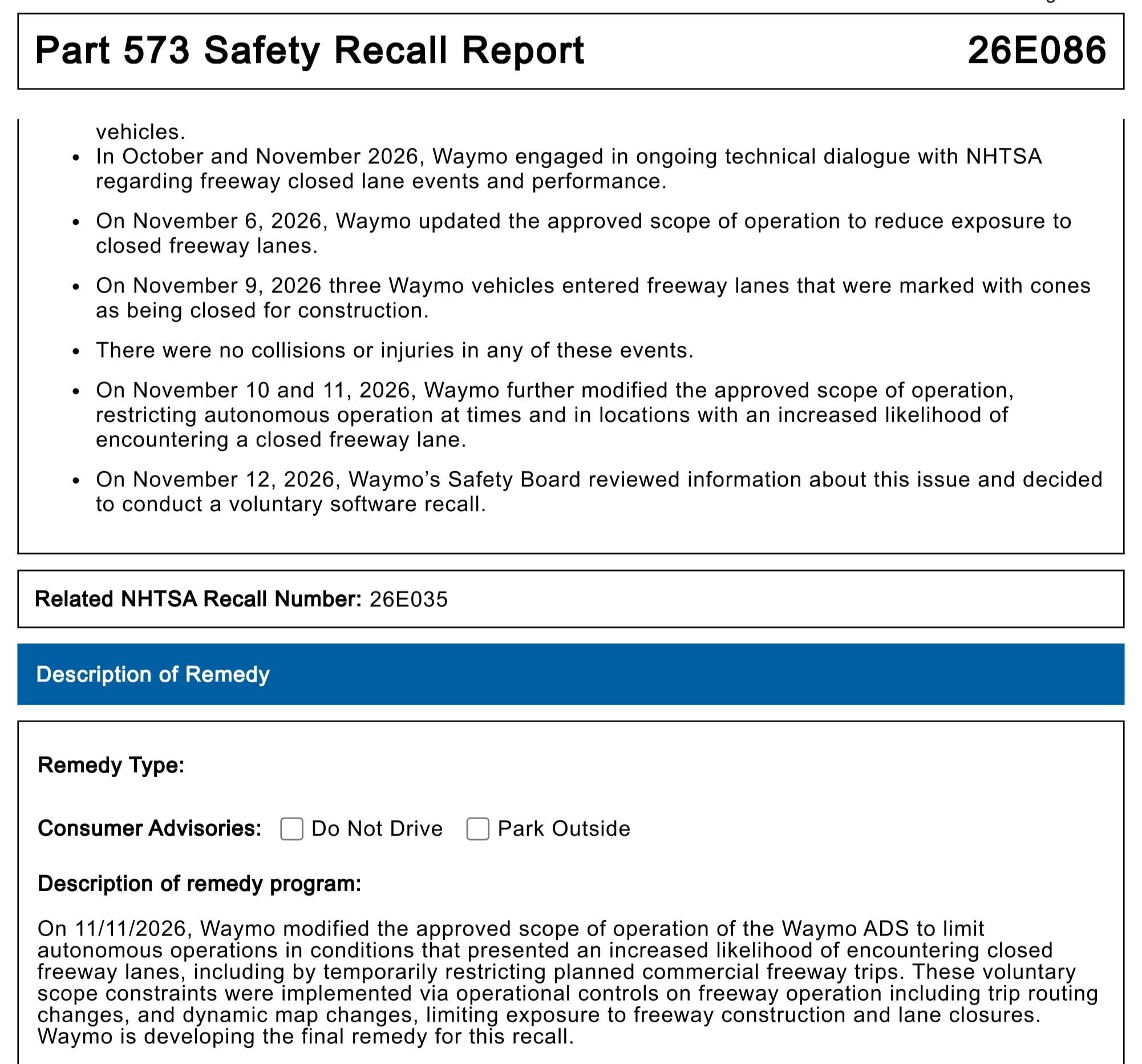
On November 9, three Waymo robotaxis drove into freeway lanes that cones marked as closed for construction. Three days earlier the company had “updated the approved scope of operation to reduce exposure to closed freeway lanes,” it told the National Highway Traffic Safety Administration (NHTSA) in a recall report filed on November 19. Those cars were among 11 that entered closed freeway lanes after October 1, and the report recalls the driving software of all 4,488 vehicles that Waymo, Alphabet’s self-driving unit, can run without a driver.
“Our ride-hailing service continues to operate safely on surface streets, serving over half a million trips each week,” a Waymo spokesperson told CBS News on November 17, after California regulators barred its cars from freeways. Both statements describe the same fleet in the same month.
Read together, they show how driverless cars are taking over from human drivers: one kind of road at a time, at a pace regulators set. On the city streets Waymo serves, three analyses, two written with the company and one by an institute funded by insurers, find far fewer injury crashes and claims per mile than human drivers produce. That record did not carry over to freeways. As of November 26, Waymo has paused freeway rides in every US market, a California order keeps its driverless cars off the state’s freeways until it proves a fix, its latest recall has no final remedy, and a federal review of how its cars behave around school buses is open. The next dated test belongs to Aurora, which expects to have 200 driverless trucks on the road in February 2027.
Waymo is in far fewer injury crashes on city streets
Waymo’s peer-reviewed numbers come from a study by its own researchers in the journal Traffic Injury Prevention. Over 56.7 million rider-only miles through January 2025, trips with no human driver aboard, its cars were involved in 79% fewer crashes causing any injury and 85% fewer causing serious injury or death than human drivers in the same cities. The study counted surface streets only.
An independent check arrived in July. The Insurance Institute for Highway Safety (IIHS), a research group funded by auto insurers, compared about 50 million driverless Waymo miles in San Francisco, Phoenix, Los Angeles, and Austin with 222 billion miles driven by people in the same places. It found 68% fewer police-reportable crashes per mile and 81% fewer injury crashes. “At the end of the day, they are having lower crash rates than humans are, and that’s good,” Eric Teoh, the institute’s director of statistical services and the study’s author, told Claims Journal.
The reinsurer Swiss Re tested the record through insurance claims. Its study with Waymo used liability claims as a proxy for crashes in which the driver was at fault, comparing 25.3 million Waymo miles with a human baseline built from more than 500,000 claims and over 200 billion miles. Waymo had 9 property-damage claims and 2 bodily-injury claims where human drivers would have been expected to produce 78 and 26, reductions of 88% and 92%, according to Waymo’s summary of the results, published in December 2024. Against 2018–2021 models with driver-assistance features such as automatic emergency braking, the reductions were 86% and 90%.
Waymo’s own running tally is larger. Its safety dashboard counts 271.3 million rider-only miles through June 2026 and reports 82% fewer injury-causing crashes and 95% fewer crashes with serious injuries or worse than a human benchmark for the same cities. The gap is widest in San Francisco and Atlanta. These figures are the company’s own.
Waymo reports fewer injury crashes per mile than human drivers in every city
Crashes with any reported injury per million miles, through June 2026
Data
| Label | Waymo | Human benchmark |
|---|---|---|
| Phoenix | 0.56 | 1.95 |
| San Francisco | 0.67 | 6.71 |
| Los Angeles | 0.86 | 2.49 |
| Austin | 0.52 | 3.25 |
| Atlanta | 0.81 | 6.44 |
Serious injuries and deaths are too rare to measure yet
Few events sit beneath the headline percentages. The 85% cut in serious-injury crashes rests on 2 crashes in 56.7 million miles, and the study’s 95% confidence interval runs from 39% to 99%. The data fit a cut of about two-fifths as well as one close to total. In both crashes another vehicle started the collision, the authors wrote. In the Swiss Re analysis, the bodily-injury result rests on 2 claims, both still open when Waymo published it.
The independent count varies by city. IIHS found Waymo’s crash rate 76% below the human rate in Phoenix and 71% below in Los Angeles, but 35% below in San Francisco and 4% above in Austin, a result it put down to a small sample. Its report says “the present data collection system isn’t good enough to allow continuous monitoring of a large-scale expansion” of driverless vehicles, because companies must report crashes to NHTSA but not the miles they drive. Waymo publishes its mileage voluntarily.
Deaths cannot yet be compared at all. US road deaths fell to an estimated 36,640 in 2025 from 39,254 in 2024, a rate of 1.10 per 100 million vehicle miles, according to NHTSA’s early estimate. That rate implies about 3.3 trillion miles driven in the year. Waymo’s 271.3 million driverless miles, accumulated over several years, equal about 0.008% of that, and at the national rate about 3 deaths would be expected over the whole distance, too few for a difference to show. The national rate also includes rural roads and interstates, which the Waymo studies leave out.
The fall of 2,614 deaths in a year came while robotaxis drove that sliver of US miles, so it has other causes. The evidence supports a narrower claim than lives saved: a lower rate of injury crashes per mile on the city streets where Waymo operates, measured by Waymo’s researchers, by an insurer working with it, and by an institute that insurers fund.
California keeps Waymo off freeways until it proves a fix
Freeways show what happens when that record meets a new kind of road. Waymo began carrying riders on freeways in the San Francisco Bay Area, Los Angeles, and Phoenix in November 2025 and added Miami in May and Austin in September, CBS News reported. In April and May its software failed to recognize ramp closures and construction zones in Arizona and California. Waymo paused freeway rides in 4 cities and in June recalled nearly 3,900 robotaxis.
The fix did not hold. The November recall report lists 8 vehicles that entered freeway lanes closed by cones, patrol cars, or construction vehicles between October 1 and November 6, and then the 3 on November 9. On November 11 the California Department of Motor Vehicles (DMV) barred Waymo from operating or testing driverless vehicles on all state freeways.
The cars “pose an imminent hazard to public safety due to recurring incursions by its vehicles into active construction zones where construction workers, vehicles and equipment are present,” the DMV said in a statement on November 17. It cited the 3 robotaxis that entered a closure on US Route 101 near Burlingame and another that tried to pass Highway Patrol units creating a traffic break on Interstate 280 in San Francisco. The incidents, the agency said, came despite a prior restriction and corrective actions taken after similar ones on May 18.
Under the order, the restriction “will remain in place until Waymo demonstrates to the Department that it has taken effective corrective actions,” including evidence that its cars can detect and respond to construction zones, emergency vehicles, and other roadway situations. Waymo said the US 101 encounters involved no injuries or collisions and that it continues freeway testing with trained specialists behind the wheel. Its recall report says it restricted commercial freeway trips on November 11 and “is developing the final remedy for this recall.”
City streets get the same treatment, one situation at a time. On November 9 NHTSA opened a recall query, a review of whether an earlier fix worked, into 2,895 Waymo vehicles. The question is whether software issued under a December 2025 recall stopped them passing school buses with flashing red lights, according to Reuters’ report, and most of the violations came after Waymo said the fix was fully deployed. Austin’s school district documented 19 violations, including a car that briefly stopped and then proceeded while a student was crossing, and public schools in Atlanta recorded 6.
Other situations have drawn their own actions. A second November recall covers how the cars respond to hand signals from police at intersections, after a May 8 collision. In May, Waymo paused service in Georgia and Texas after robotaxis entered flooded streets. NHTSA and the National Transportation Safety Board are investigating a crash in which a Waymo struck a child near an elementary school in Santa Monica, California. Hundreds of millions of miles on surface streets did not qualify the cars for freeway work zones, and California closed that category of road while leaving the rest of the service running.
Tesla and Aurora have logged a sliver of Waymo’s miles
Tesla’s driverless record is far thinner. The company had disclosed 380,000 unsupervised miles since launching its robotaxi service in Austin, Electrek reported in August, when Waymo was above 200 million. On November 21 Tesla began rolling out version 15 of its Full Self-Driving software, which owners still have to supervise. Its release notes claim a 25-fold improvement in the critical intervention rate, a measure of how often a driver must step in, without giving the rate itself, as Electrek’s review of the release points out.
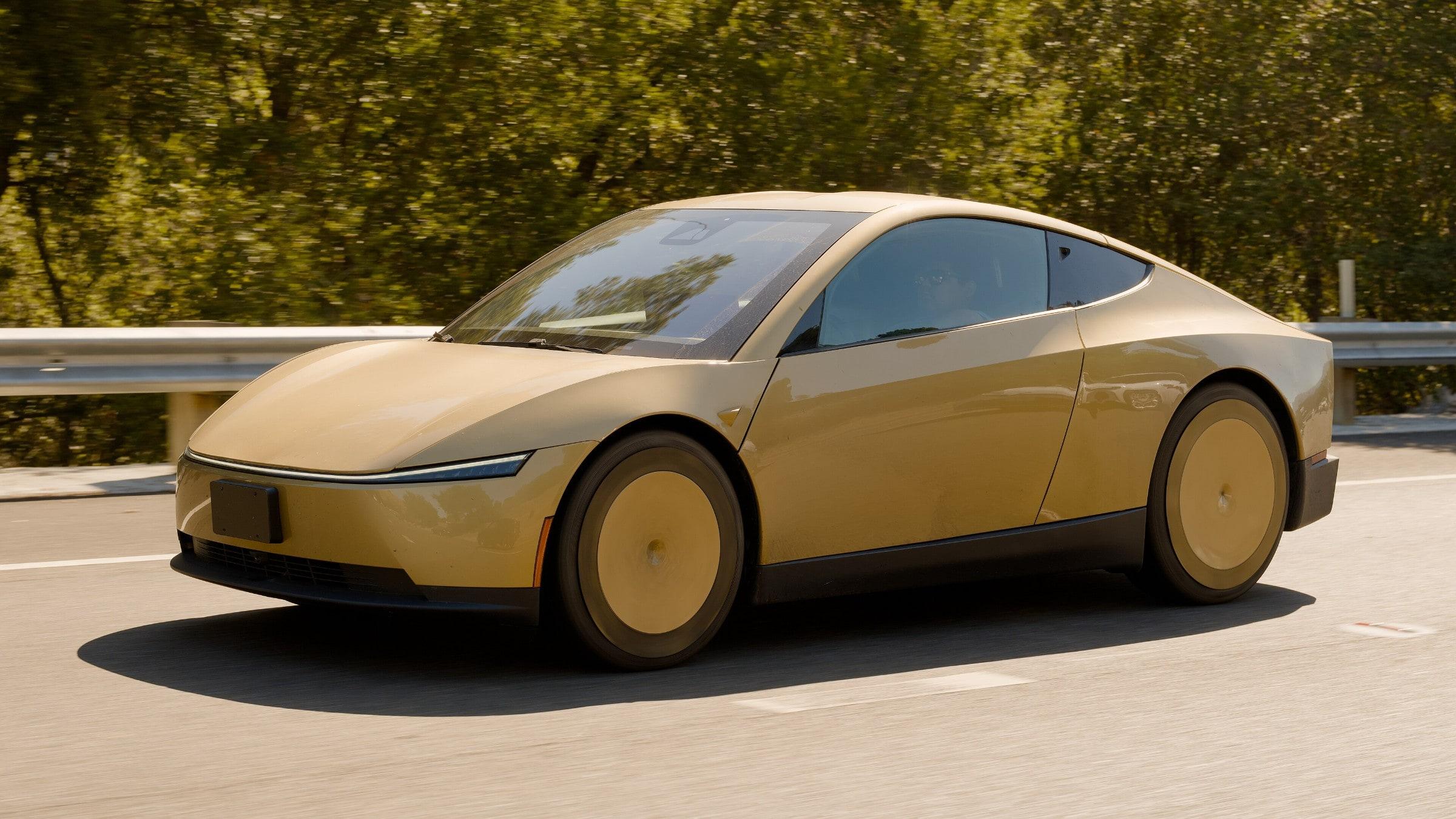
Elon Musk, Tesla’s chief executive, wrote in April that v15 “will far exceed human levels of safety, even in completely unsupervised and complex situations.” NHTSA is reviewing a petition alleging that Tesla’s robotaxis speed through active school zones, on top of an investigation opened in October 2025 into Full Self-Driving running red lights and breaking other traffic laws. Musk said on November 6 that Tesla would wind down Cybertruck production in Texas next year to build more Cybercabs, its driverless taxis.
Aurora Innovation, which runs driverless trucks on freight routes in the US Southwest, set its goal in public. On September 25 it wrote on X that it had passed 500,000 driverless miles and was “fully allocated to exit the year with 200 driverless trucks.”


$AUR We shared how we’re driving the inflection in autonomous trucking at our 2026 Analyst & Investor Day, including: → We’ve surpassed 500,000 driverless miles since commercial launch → We’re fully allocated to exit the year with 200 driverless trucks → We’ve set a vision Show more
On October 28 Aurora moved that goal to February 2027, citing supplier problems, and kept its targets of 1,000 trucks by the end of 2027 and 30,000 by the end of 2030, according to Bloomberg’s report. A partner slowed it before any regulator did. After Aurora took the driver out of its trucks in 2025, truck maker Paccar asked for a human back behind the wheel, and Aurora ran driverless again only from July, in rigs built by International Motors. “They looked at it from a liability perspective and wanted someone in the cabin,” David Maday, Aurora’s chief financial officer, told Bloomberg.
Measured in miles, the gap is a factor of hundreds. Waymo’s total is about 540 times Aurora’s and about 710 times Tesla’s, although each figure was reported on a different date and counts driverless miles in its own way. Waymo’s researchers wrote that a fleet cutting serious-injury crashes by 90% would need about 56 million miles before the difference became statistically detectable. Neither Tesla nor Aurora has reported 1% of that.
Waymo has driven hundreds of times more driverless miles than Tesla or Aurora
Miles driven with no human driver, latest company figure, million
Data
| Label | Driverless miles |
|---|---|
| Waymo | 271M |
| Aurora | 0.5M |
| Tesla | 0.38M |
Waymo riders who pick San Francisco International Airport as their destination now get a message in the app, the SF Standard reported: “This trip will take longer. Your route doesn’t use the freeway.”