OpenAI launched Businesses in ChatGPT
The beta adds claimable business profiles, aggregated engagement data and sponsored agents that can serve as destinations for ChatGPT Ads.
Summary

In brief
- OpenAI launched Businesses in ChatGPT in beta on November 10
- Business Agents are limited at first to eligible US ecommerce and online-service firms
- OpenAI says businesses get aggregated insights, not users' ChatGPT conversations
OpenAI said in a company post on Tuesday it was introducing Businesses in ChatGPT in beta, letting companies claim a profile in the chatbot and, in the US, run their own conversational agents.
The service turns ChatGPT, which OpenAI says reaches 1.2 billion people each week, into a channel businesses can manage and pay to promote. A company can sponsor its Business Agent and use it as the destination for ChatGPT Ads.
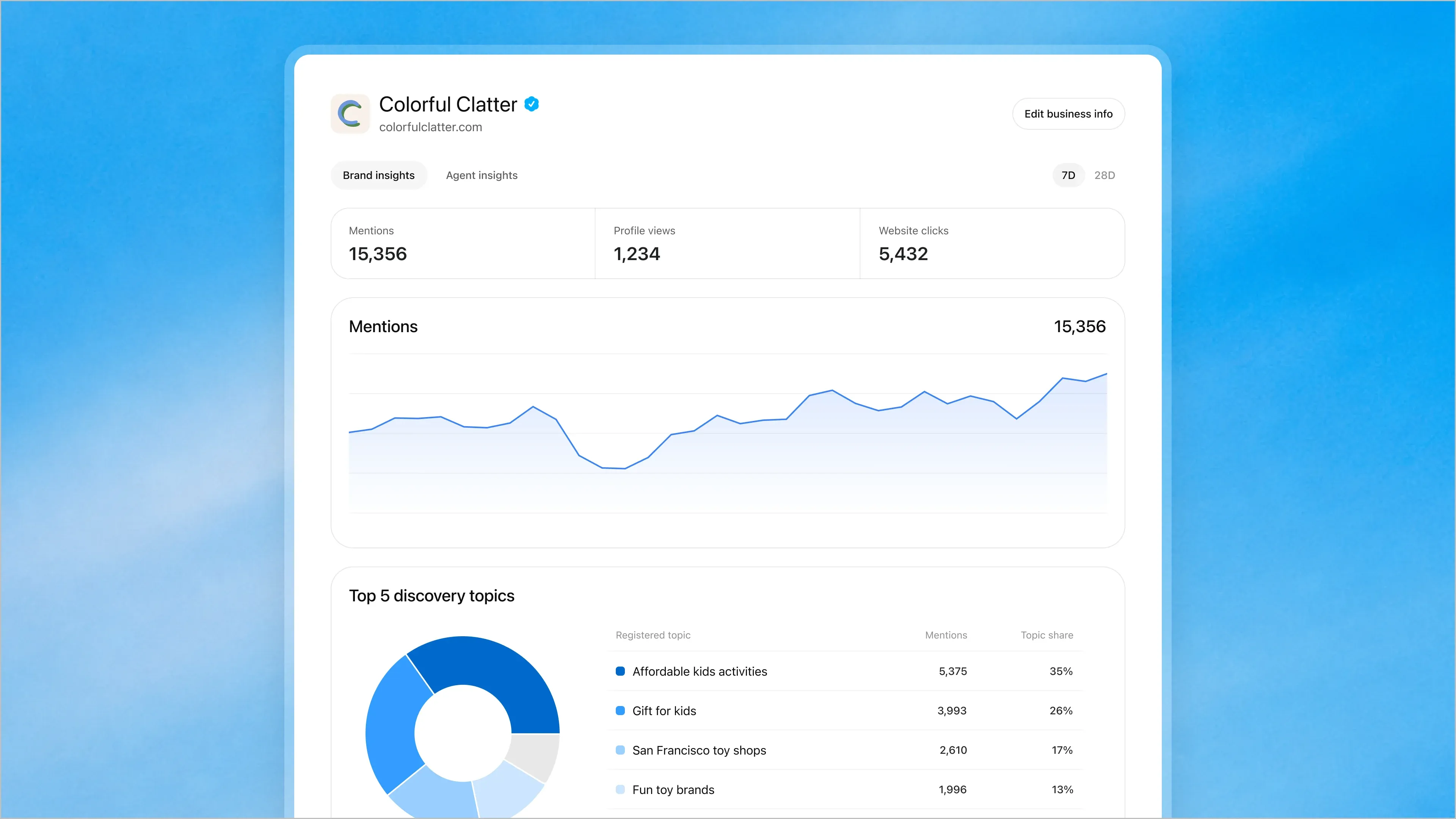
Business Hub is the management layer, where businesses claim their organization and, after verification, update key details and see engagement insights. Retailers can also add self-service product feeds with pricing and availability, and existing OpenAI Enterprise customers and advertisers can work through an OpenAI representative.
OpenAI's product FAQ limits initial claiming to eligible businesses with a website. A claimed profile carries a blue check, but claiming does not guarantee higher placement or sales, and ChatGPT continues to make its own recommendations and comparisons.
Business Agents, chat assistants that answer questions on a company's behalf, are initially limited to eligible ecommerce and online-service businesses in the US. When a business appears in a ChatGPT answer, a user can open its profile and start a conversation with the agent, which draws on guidelines, product and policy information the business controls.
Those conversations are labeled and kept separate from the user's original chat and from ChatGPT's own answers. Shopify merchants can connect a store through Shopify admin or Business Hub, review the catalog details shared automatically, and publish an agent.
OpenAI said businesses do not receive users' conversations or Business Agent chats. They get aggregated counts of mentions and website clicks, plus common themes from conversations that cite their website, shown only once enough interactions meet aggregation thresholds.
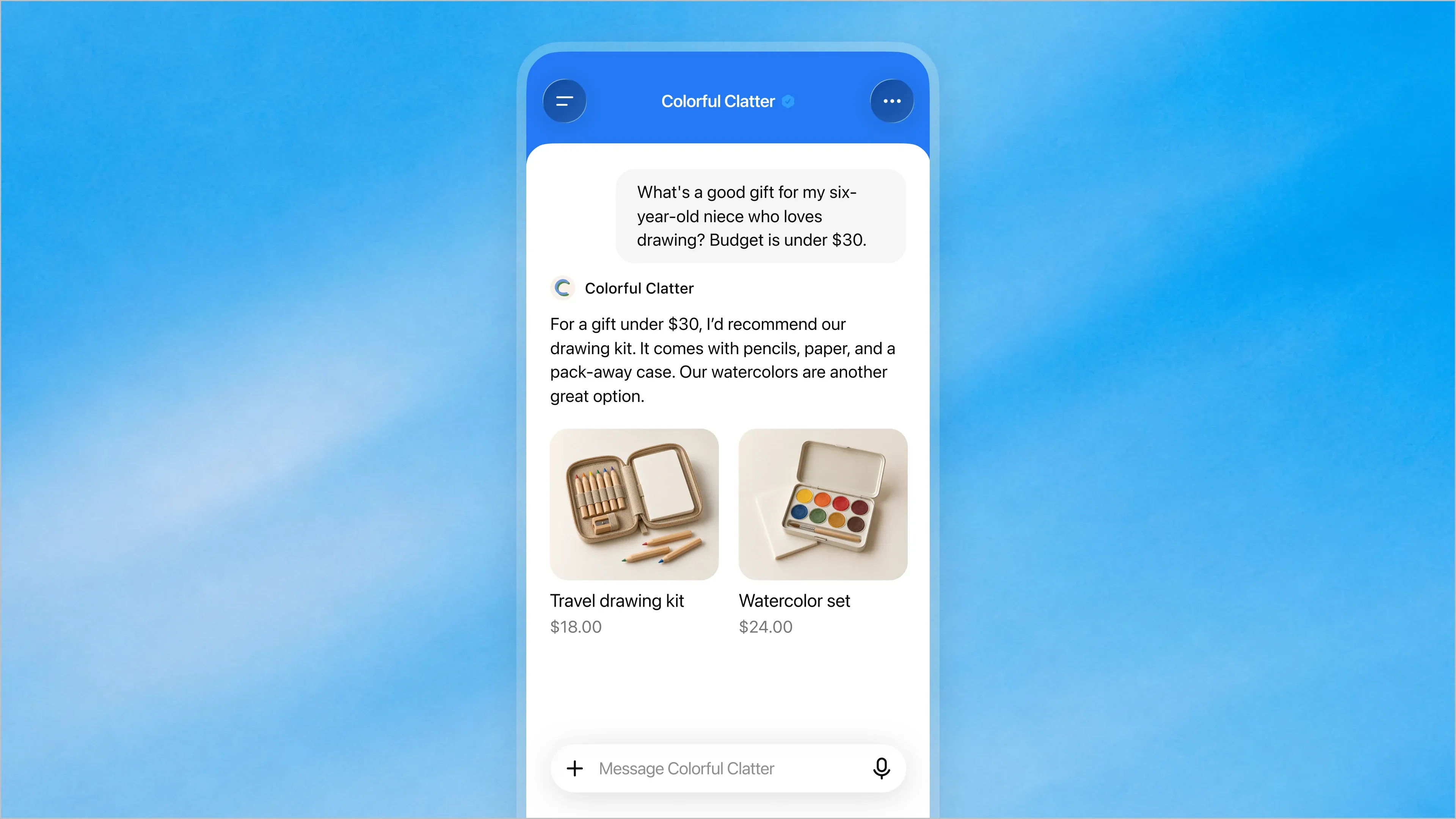
Under OpenAI's Business Agents Policy, an agent must make clear it is AI representing the business, not a human or an OpenAI-endorsed service, and may not use false urgency or keep pressing after a user declines. Purchases, bookings and sharing a user's information require explicit authorization, and OpenAI can suspend or remove agents. The company's profile policy says profiles may include information from other sources and that OpenAI does not verify every business-supplied detail.
The launch follows OpenAI's Sponsored Agents test, announced on September 16, in which select US advertisers offered business-sponsored conversations to users who clicked their ads. Amazon began letting select US customers text Alexa for Shopping to find and buy products on November 6. OpenAI said it plans to bring Businesses in ChatGPT and Business Agents to more markets and business categories.