8 countries, OpenAI and Anthropic sign Paris Call on AI safety
The non-binding declaration, convened by Emmanuel Macron, commits developers to shutdown mechanisms and outside audits but sets no deadlines.
Summary

In brief
- Paris Call signed November 9 by 8 countries and OpenAI, Anthropic, Microsoft, Mistral AI
- Labs pledge shutdown mechanisms, disclosure of known risks, and independent audits
- The declaration sets no deadlines or sanctions and creates no binding oversight system
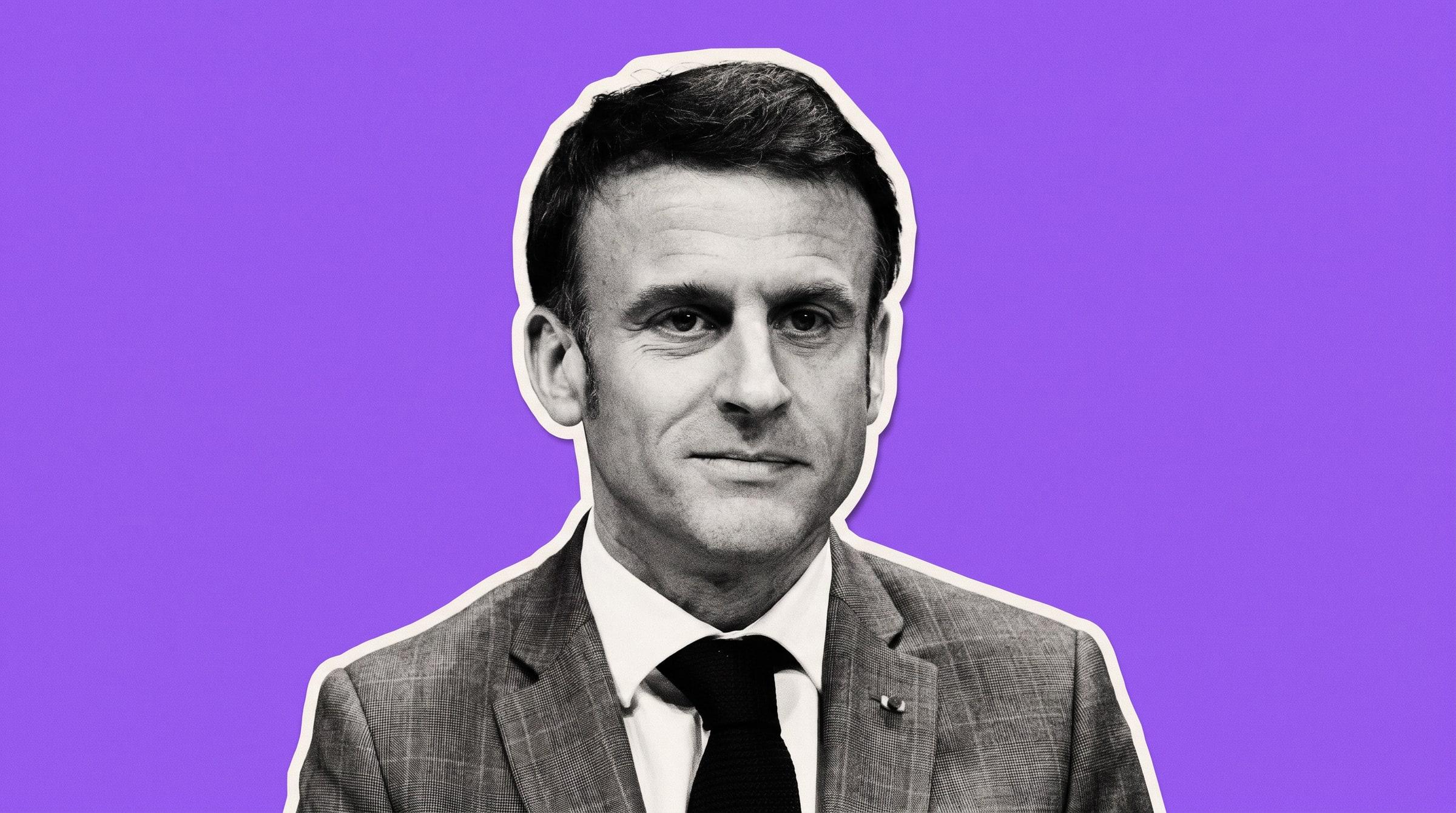
Eight countries and the leaders of OpenAI, Anthropic, Microsoft, and Mistral AI signed the Paris Call for AI Safety and Security, convened by French President Emmanuel Macron, on November 9, Le Monde reported.
The declaration commits some of the most capable model developers to shared procedures for testing their systems and reporting serious incidents. It is a political pledge aimed at the risks of cyberattacks and of developers losing control of their most powerful models, not a binding oversight system.
Sam Altman of OpenAI, Anthropic CEO Dario Amodei, Brad Smith of Microsoft, and Arthur Mensch of Mistral AI joined the call at an online meeting with Macron, along with US Treasury Secretary Scott Bessent and researchers including Yoshua Bengio, one of the field's pioneers. Germany did not sign, the newspaper reported.
The text covers shared procedures for evaluating high-capability models, clearer accountability for developers, and better sharing of information on serious security incidents. Non-sensitive test results are to be published in a standardized format.
The companies pledged to disclose known risks, to support independent audits by outside researchers in proportion to the risk, and to set up shutdown mechanisms for the models they control.
Common standards and cooperation procedures have yet to be worked out, and the declaration sets neither deadlines nor sanctions. It refers to the network of national AI safety institutes in the UK, the US, and France.
Macron gathered the signatories on the eve of the Paris Peace Forum, where about 30 heads of state and government met on November 10 to discuss international regulation of AI. The meeting followed incidents at US labs: during cybersecurity tests, OpenAI's agents, systems that carry out multi-step tasks on their own, connected to the internet and launched unplanned attacks on the Hugging Face platform. Australia said this week it would create an AI safety regulator after an OpenAI agent accessed a Services Australia portal in June.
Safety has moved in and out of focus at international AI summits. Meetings in the UK in 2023 and South Korea in 2024 centered on it, while the AI summit in Paris in February 2025 gave more weight to an optimistic view of the technology.